How SMEs are transforming household cooking — and why access to finance remains critical.
In many Tanzanian households, the daily act of cooking still depends heavily on firewood or charcoal. While these fuels remain widely used, a growing number of local entrepreneurs are working to change that reality by introducing cleaner, safer, and more efficient cooking solutions.
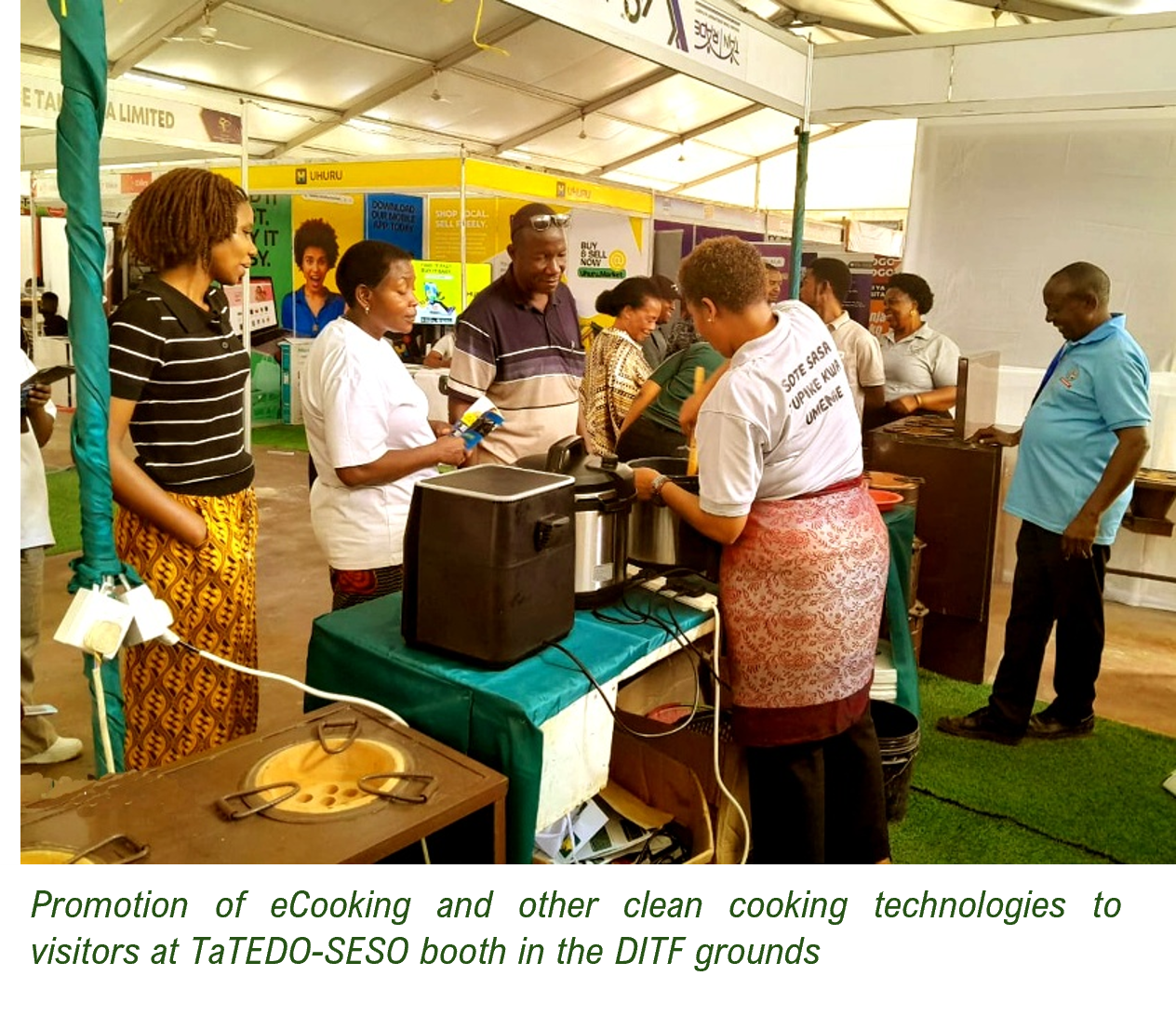
Across the country, small and medium enterprises (SMEs) are developing and distributing technologies such as improved cookstoves, electric cooking appliances, bioethanol solutions, and other modern cooking systems. These businesses are not only expanding access to modern energy services but are also creating jobs, improving health, and reducing environmental pressure on forests.
Yet despite their importance in driving the clean cooking transition, many of these enterprises face one common challenge: access to finance.
A recent assessment conducted by TaTEDO-Sustainable Energy Services Organization (TaTEDO-SESO) highlights both the opportunities and barriers facing sustainable energy SMEs in Tanzania as they strive to expand clean energy services.
Entrepreneurs Driving Change
For many clean cooking entrepreneurs, the motivation is profit-making through their clean cooking appliances business while creating social impact in the community. This is testimony from a local clean energy entrepreneur in Moshi, who distributes modern cooking appliances, who described the transformation he sees in households adopting new technologies.
“When families start using modern cooking technologies, they immediately notice the difference. Cooking becomes faster, kitchens are cleaner, and women spend less time in the kitchen. People are often surprised by how much easier life becomes.”
Businesses like these are part of a growing ecosystem of sustainable energy SMEs in Tanzania working in areas such as clean cooking, solar energy, renewable energy services, and productive use of energy technologies.
Many of these business enterprises are still small but ambitious. With the right support, they have the potential to reach thousands or even millions of households.
Communities Seeing the Benefits
The impact of clean cooking technologies is often most visible at the household level. In a rural village in Kilimanjaro Region, a mother of three explained how modern cooking technologies have changed her daily routine:
“Before, I used to spend hours collecting firewood. The smoke in the kitchen made my eyes burn, and my children would cough. Now cooking is quicker, and the house is cleaner. I also have more time for other work.”
Stories like this illustrate why expanding access to modern cooking energy is critical not only for environmental sustainability but also for health, gender equality, and economic development.
Clean cooking technologies can reduce indoor air pollution, one of the leading health risks in many developing countries. They also reduce pressure on forests and contribute to national climate goals.
Financing: The Missing Ingredient
Despite the growing demand for clean cooking solutions, entrepreneurs frequently struggle to access the capital needed to expand their businesses. Many clean energy SMEs require funding to:
- Import or manufacture cooking technologies
- Build distribution networks
- Train technicians and sales agents
- Provide consumer financing options for households
However, financial institutions often view early-stage energy enterprises as risky investments. One SME owner interviewed during the assessment explained the challenge:
“Banks want collateral that most small companies simply do not have. Even when the business model works, accessing loans is still very difficult.”
The problem is particularly significant in the clean cooking sector because many technologies require upfront investment while revenues grow gradually as markets expand. As a result, entrepreneurs often rely heavily on grants or donor-supported programmes to grow their operations.
Emerging Opportunities for Clean Cooking SMEs
The good news is that several financing initiatives are emerging to support clean energy enterprises. A few examples are programmes such as the Tanzania Clean Cooking Project,which provide catalytic grants and technical support to companies working to expand clean cooking markets. Similarly, the CookFund programme supported by the European Union is designed to accelerate the deployment of modern cooking technologies by strengthening the businesses involved in their production and distribution.
Other financing mechanisms include:
- Results-based financing for improved cooking solutions
- Credit facilities from commercial banks and microfinance institutions
- Climate finance and carbon credit initiatives
- Impact investment funds supporting clean energy entrepreneurs
However, accessing these opportunities often requires significant technical capacity. Many SMEs have strong ideas and innovative technologies,” noted one energy sector expert involved in the study. However, preparing bankable proposals and meeting all the requirements for financing can be extremely challenging without technical support.”
Building a Stronger Ecosystem
To unlock the full potential of clean-cooking SMEs, the study emphasizes the need to strengthen the broader ecosystem that supports clean-energy entrepreneurship.
Key priorities include:
- Improving financial products for energy SMEs
Financial institutions need to develop loan products tailored to the unique characteristics of renewable energy businesses.
- Strengthening policy support for clean cooking
Clear and supportive policy frameworks can help attract more investment into the sector.
- Expanding awareness and market demand
Increasing consumer awareness of modern cooking technologies will help SMEs grow and attract financing.
- Supporting entrepreneurs with technical assistance
Training in business development, financial management, and proposal preparation can help SMEs access funding opportunities.
The Role of TaTEDO-SESO
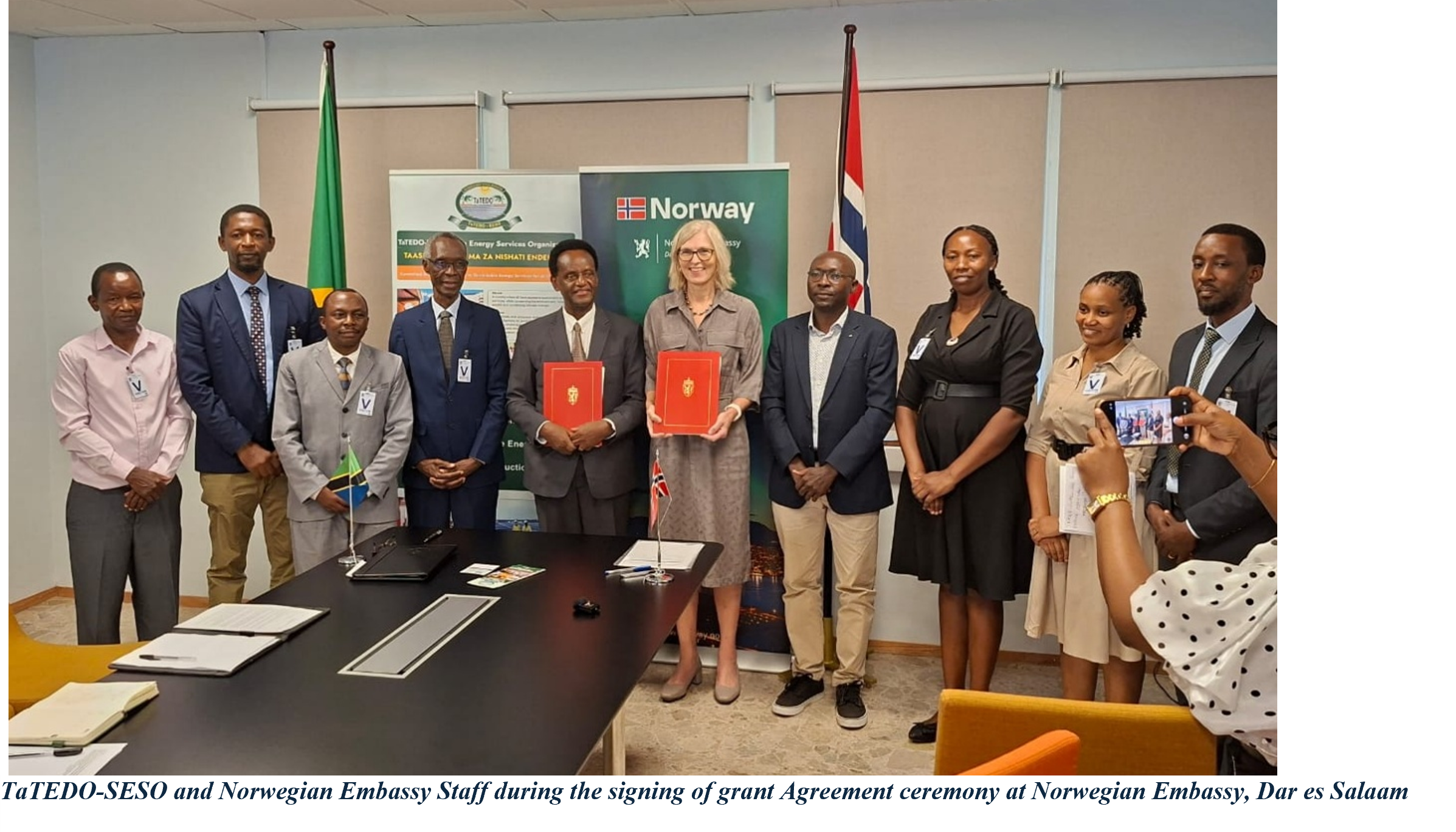
For decades, TaTEDO-SESO has worked to promote sustainable energy solutions in Tanzania through research, training, technology promotion, and policy advocacy with support from different development partners.
Today, the organization continues to support clean cooking entrepreneurs and energy SMEs through partnerships, capacity-building initiatives, and programmes such as the Africa Energy Transition initiative and UKaid supported Modern Energy Cooking Services (MECS).
By strengthening collaboration between entrepreneurs, financial institutions, development partners, and policymakers, TaTEDO-SESO aims to create an environment where clean energy businesses can grow and thrive.
A Future Powered by Local Innovation
The transition to clean cooking will not be achieved by technology alone. It will depend on the energy, creativity, and determination of local entrepreneurs who bring these solutions to households across the country.
As one SME owner put it:
“We are not just selling products. We are helping families cook more healthily while protecting our environment”.
With stronger financial support and a more enabling ecosystem, Tanzania’s clean cooking SMEs could become one of the most powerful drivers of the country’s sustainable energy transition.
………………………………………….
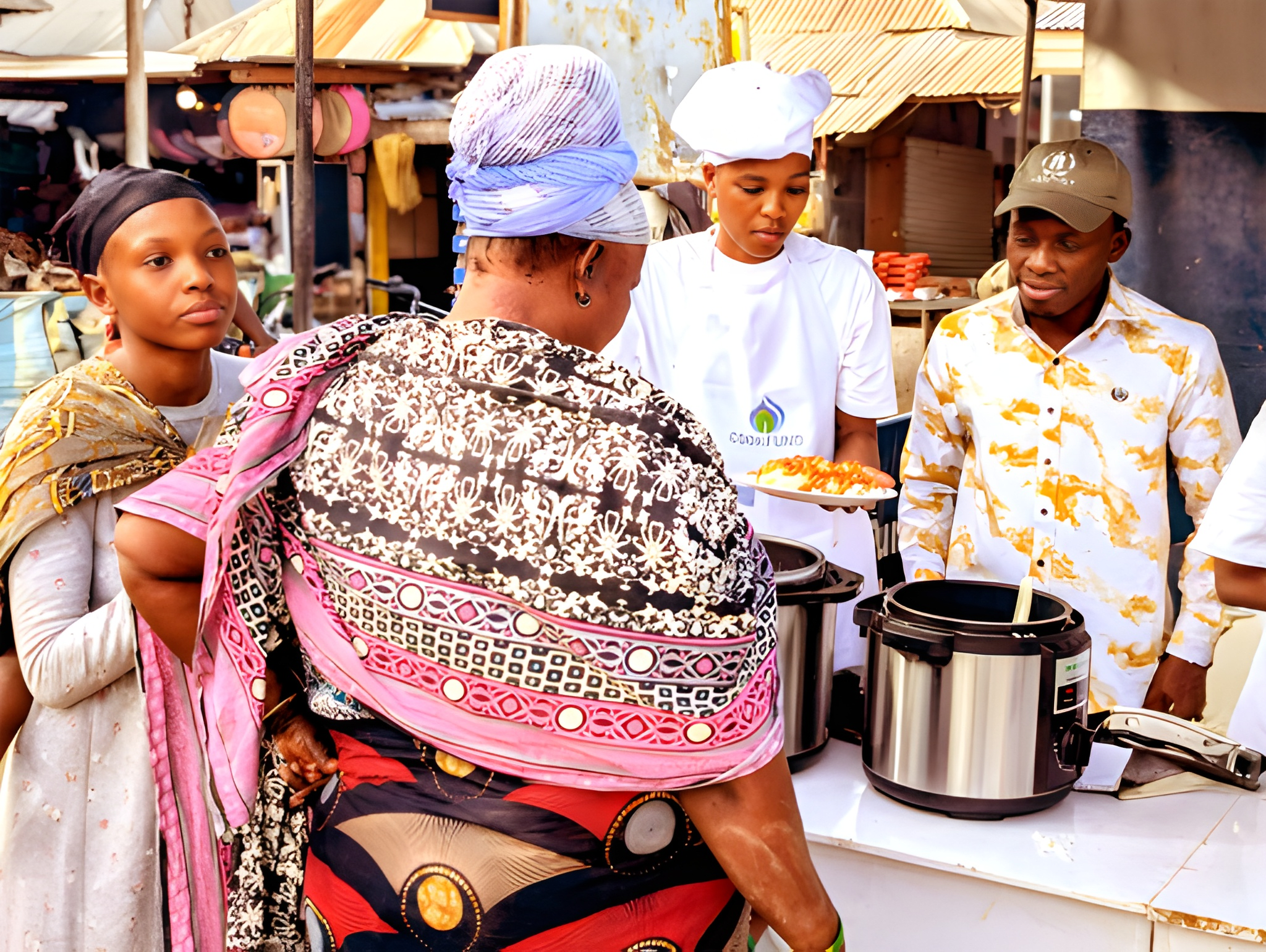
Featured image: AI generated image, using prompts by Jensen Shuma (TaTEDO-SESO).
AI has been used for spelling and photography. Other parts of the article are information from research performed in different eCooking enterprises.