From
Firewood to Clean Energy: How Communities in Tanzania Are Driving Conservation
and Change
Early in the morning in Mbuyuni
village in Masasi District, women and children used to spend hours
collecting firewood before the day’s cooking could even begin. For many
families, firewood was the only available source of energy, but it came at a
high cost—time, health risks, and increasing pressure on nearby forests.
Today, things
are beginning to change.
Through the Leading the Change Phase
II (LtC2) programme, implemented by TaTEDO-Sustainable Energy Services
Organisation (TaTEDO-SESO) in partnership with WWF and supported by Sida,
communities across southern Tanzania are discovering new ways to protect their
environment while improving their livelihoods.
The programme works to strengthen civil
society, empower communities, and promote sustainable energy solutions that
reduce environmental degradation while supporting local development. The
broader goal is simple but powerful: ensuring that people and communities can
enjoy their right to a healthy and sustainable environment.
A Small Stove with a Big Impact
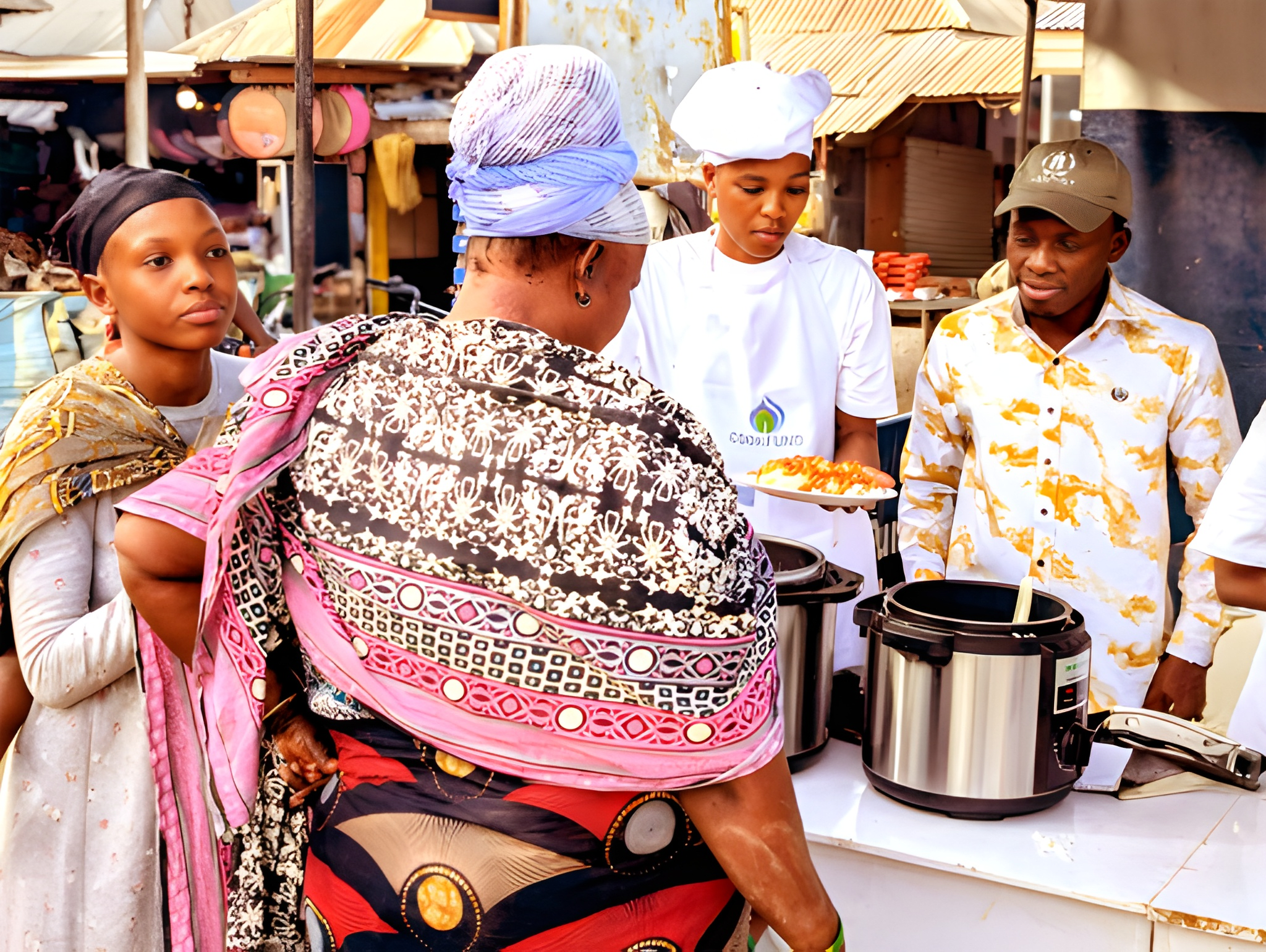
For many households, the most visible
change has come through the introduction of improved cookstoves and
awareness about clean cooking solutions.

In Mbuyuni village, one community member explains how the change has affected daily life:
“I was using firewood costing about
3,000 shillings each week. After adopting the improved cookstove, the cost has
decreased to about 1,500 shillings. It has helped our family save money and
reduce smoke in the kitchen.”
Beyond financial savings, families report significant improvements in health and time management. Reduced smoke exposure means fewer respiratory problems, especially for women and children who spend long hours near cooking fires.
Equally important, improved cookstoves reduce the amount of firewood needed, helping to protect local forests that communities rely on for their livelihoods.
Communities Taking Ownership of Conservation
Across districts including Rufiji,
Kilwa, Mtama, and Masasi, TaTEDO-SESO has been working closely with District
Energy Teams (DiSEDCs), community groups, and local leaders to promote
sustainable energy and strengthen natural resource governance.
Training sessions and community
awareness events have reached hundreds of community members, helping them
understand sustainable energy options and their role in environmental
protection. More than 694 people have increased their knowledge of
sustainable energy technologies and environmental governance through these
activities.
In Nyamwage village, community
members have taken the initiative further by forming a local network known as MJANEUMANYA,
which coordinates sustainable energy and environmental conservation efforts in
the area.
Through the network, villagers organize
awareness campaigns, share experiences, and encourage neighbors to adopt
cleaner energy solutions.
One community leader involved in the
initiative explains:
“When people understand how energy
choices affect our forests and our health, they are ready to change. Now we are
working together to protect our environment.”
This sense of ownership is key to the
programme’s success. Rather than imposing solutions from outside, the programme
supports communities to design and implement their own approaches to
sustainable development.
Young Environmental Champions
Change is also coming from an
unexpected group students.
In several project schools,
environmental and energy clubs have become hubs of learning and action.
Students are being introduced to topics such as climate change, sustainable
energy, and forest conservation.
More than 541 students have
participated in environmental education activities, learning how their
everyday choices can affect the environment.
Many of these students are already
influencing change at home.
One student from Mbuyuni Secondary
School shared how the lessons learned at school are making a difference in
their family:
“At our home we used to collect
firewood almost every day. Now, after learning about improved cookstoves, we
collect firewood only two days a week.”
Schools have also taken practical
action by establishing tree nurseries. Across the project areas, students have
helped raise more than 20,000 tree seedlings, with over 3,000 trees
planted around school grounds to restore degraded land and protect local
ecosystems.
Teachers say
these activities are building a generation that understands the importance of
protecting natural resources.
Bringing Voices into National Energy Policy
While change is happening at the community level, TaTEDO-SESO is also helping ensure that local voices influence national policy discussions.

Through collaboration with
organizations such as the Clean Cooking Alliance of Tanzania (CCAT) and
the Sustainable Energy Forum (SEF), TaTEDO-SESO has organized policy
dialogues bringing together government officials, civil society actors, and
development partners.
These discussions focus on implementing
key national policies such as the National Clean Cooking Strategy
(2024–2034) and the National Charcoal Strategy and Action Plan.
Participants in these dialogues
highlighted that many people still lack clear information about clean cooking
technologies and the benefits they provide.
As one stakeholder noted during the
discussions:
“We need a shared understanding of
clean cooking and stronger communication so that communities can make informed
decisions.”
Such policy engagement helps ensure
that national strategies reflect the realities faced by communities and promote
solutions that are accessible and affordable.
Spreading the Message
To reach wider audiences, TaTEDO-SESO
has partnered with local media to raise awareness about sustainable energy and
environmental conservation.
Television programmes, radio
broadcasts, and online media campaigns have reached more than 7,000 people,
helping spread information about clean cooking technologies and the importance
of protecting forests.
These campaigns are helping to shift
public perceptions about energy use and environmental responsibility.
Building a Sustainable Future Together
The progress seen across southern
Tanzania demonstrates the powerful role that communities can play in protecting
natural resources when they are empowered with knowledge, tools, and
opportunities.
Through the Leading the Change
programme, TaTEDO-SESO is helping communities move toward cleaner energy,
stronger environmental governance, and more sustainable livelihoods.
What started with improved cookstoves,
and awareness campaigns is evolving into something larger—a growing movement of
communities working together to protect their environment for future
generations.
As one community member summarized:
“When we protect our forests and use
energy wisely, we are protecting our children’s future.”