Transforming
Tanzania’s Dry Miombo Woodlands Through Clean Cooking Innovation
A Strategic
Partnership Between TaTEDO-SESO and TFS Driving Sustainable Energy Solutions in
Rural Communities.
Introduction: A Partnership for People, Forests, and
Energy Transition
In November
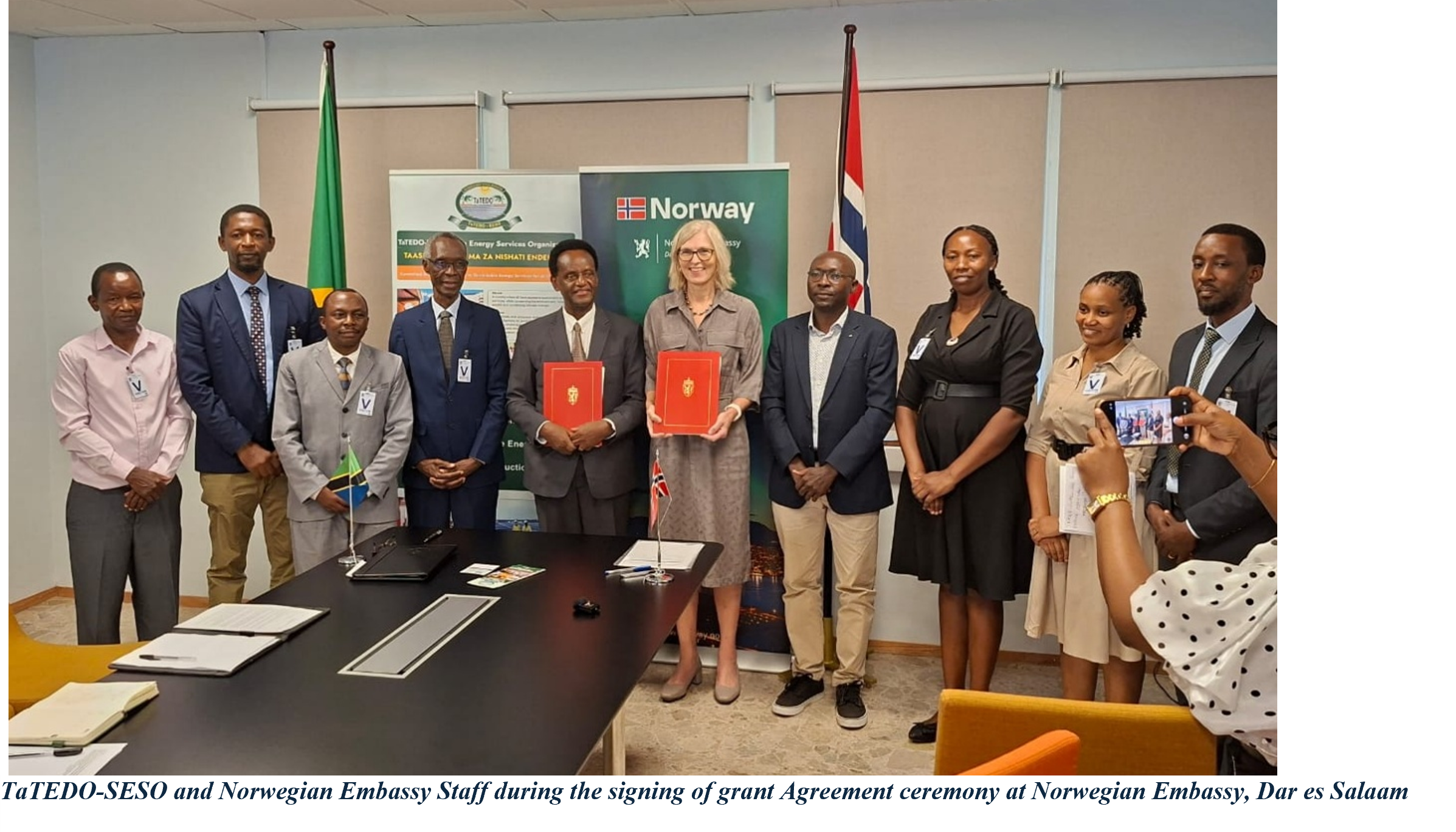
2025, the Tanzania Forest Services Agency (TFS) and TaTEDO – Sustainable Energy
Services Organization (TaTEDO-SESO) formalized a strategic collaboration
through a Memorandum of Understanding (MoU) aimed at transforming energy use in
vulnerable forest landscapes. The partnership focuses on promoting alternative
energy technologies in 14 villages across Tabora and Katavi regions, within the
Kaliua and Mlele ecosystem landscapes.
At its core,
this initiative aligns community energy needs with forest conservation,
addressing one of Tanzania’s most pressing challenges: the unsustainable
dependence on biomass fuels in dry Miombo woodlands.
From Agreement
to Action: Delivering Clean Cooking Solutions
Building on the
MoU, TaTEDO-SESO successfully implemented a comprehensive training programme in
February 2026 across Urambo and Kaliua districts. The programme combined:
- Electric
cooking (eCooking) using Energy-Saving Electric Pressure Cookers (EPCs)
- Construction
of efficient low-cost household firewood stoves
The initiative
directly engaged:
- 50 Trainers of Trainers (ToT) in
eCooking (30 men, 20 women)
- 27 ToT in improved stove
construction (22 men, 5 women)
- Local artisans, women’s groups,
district officials, and village leaders
This approach ensured not only knowledge transfer but also long-term local capacity building.
Demonstrating
the Power of Electric Cooking
One of the most
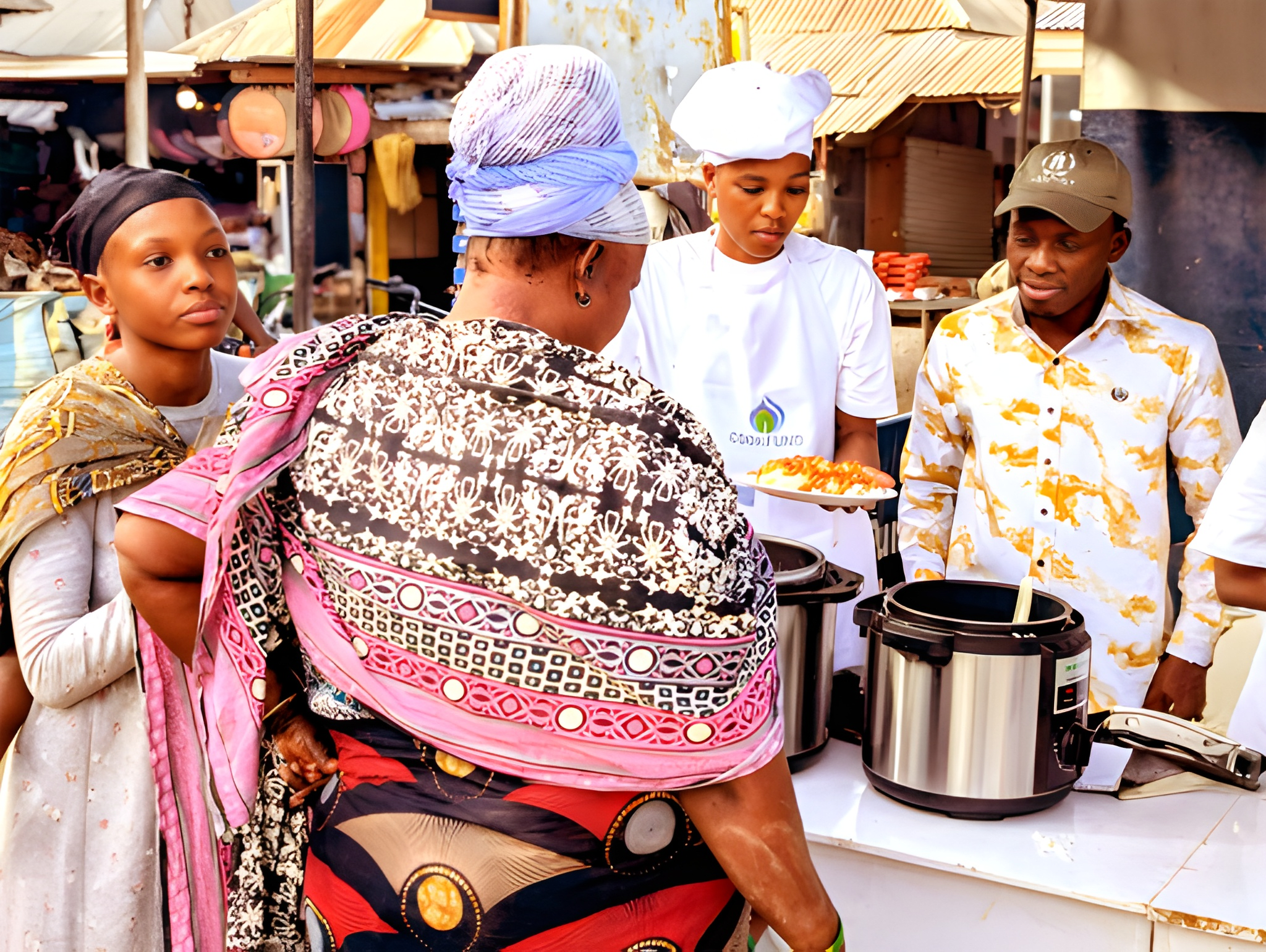
impactful aspects of the training was the live demonstration of EPC technology,
which challenged long-held perceptions about cooking energy.
Participants
observed that:
- Beans
could be cooked in less than one hour
- Only ~0.5
kWh of electricity was required
- Cooking
cost was approximately TZS 180, significantly lower than charcoal for the
same task
Meals such as
rice, pilau, ugali, and makande were prepared efficiently, demonstrating:
- Reduced cooking time
- Lower energy consumption
- Improved convenience and safety
These practical demonstrations played a critical role in shifting attitudes toward modern cooking solutions.

Live EPC demonstration (e cooking attracts men in the Kitchen)
Complementary
Solutions: Efficient Biomass Technologies
Recognizing
that not all households are electrified, the programme also promoted improved
low-cost firewood stoves, ensuring inclusivity.
Communities
were trained to:
- Construct stoves using locally
available materials (clay, sand, bricks)
- Integrate chimneys for smoke
reduction
- Improve combustion efficiency and
fuel use
This dual-technology approach reflects a realistic and inclusive clean cooking transition pathway, consistent with Tanzania’s national strategy.

Efficient Low-Cost Household
Firewood Stove
Empowering
Communities and Creating Green Livelihoods
A key strength
of the initiative lies in its community-centred approach, as outlined in the
MoU.
The programme:
- Built local technical skills for
stove construction and maintenance
- Enabled local artisans to develop
income-generating opportunities
- Promoted women’s participation in
clean cooking adoption and entrepreneurship
- Strengthened local governance
capacity through engagement with village and district authorities
By training
Trainers of Trainers, the project established a scalable model for replication
across other regions.
Environmental
and Health Impact
The initiative contributes directly to:
Forest Conservation
- Reduced
demand for firewood and charcoal
- Lower
pressure on dry Miombo woodlands
Health Improvements
- Reduced
indoor air pollution
- Lower exposure to smoke-related diseases
Energy
Efficiency
- Transition
toward modern, low-carbon cooking solutions
- Increased
efficiency in both electric and biomass systems
Challenges and Lessons Learned
Despite strong progress, several
challenges were identified:
- Limited
initial awareness of EPC technology
- Affordability
barriers for low-income households
- Need for
continuous technical support and follow-up
These insights reinforce the importance
of:
- Financing
mechanisms (e.g., group financing, on-bill financing)
- Continued
awareness campaigns
- Strengthened
last-mile delivery systems
Scaling the
Impact: A Model for National Transformation
The
TaTEDO-SESO–TFS partnership demonstrates a practical, scalable model for
integrating:
- Clean
cooking
- Forest
conservation
- Community
empowerment
The MoU
explicitly emphasizes collaboration with government, private sector, and
development partners to scale interventions nationwide.
With strong
alignment to Tanzania’s National Clean Cooking Strategy (2024–2034), this
initiative provides a blueprint for achieving:
- Increased
access to modern cooking solutions
- Reduced
deforestation
- Inclusive
green economic growth
Conclusion: A
Just and Inclusive Energy Transition
The
collaboration between TaTEDO-SESO and TFS is more than a project, it is a
transformational pathway toward sustainable energy use in rural Tanzania.
By combining
innovation (EPCs), inclusivity (improved biomass stoves), and community
empowerment, the initiative demonstrates that clean cooking is not only an
energy issue, it is a development, health, and environmental imperative.
With continued
investment, partnerships, and policy support, this model has the potential to
reshape Tanzania’s cooking energy landscape while protecting its forests and
improving livelihoods